
Effective cavitation detection technologies for pumps and pipes are revolutionizing the maintenance industry, paving the way for proactive monitoring and cost-saving strategies. Imagine being able to prevent equipment failures and minimize downtime through advanced detection tools. In this blog post, we will delve into the world of cavitation detection technologies and explore how they play a critical role in ensuring the longevity and efficiency of pump and pipe systems. Let's uncover the key features, benefits, and real-world applications of these innovative solutions.
Understanding Cavitation in Pump and Pipe Systems
Cavitation is a phenomenon that occurs in pumps and pipes when low pressure leads to the formation and collapse of vapor bubbles. This process generates intense shockwaves that can damage equipment and reduce operational efficiency over time. Effective cavitation detection technologies for pumps and pipes are crucial in preventing these issues.
Impact of Cavitation on Maintenance
-
Increased wear and tear on pump components
-
Reduced pump efficiency and performance
-
Risk of catastrophic failures leading to costly downtime
Importance of Effective Cavitation Detection Technologies
Investing in advanced cavitation detection technologies for pumps and pipes is essential for proactive maintenance and cost savings in the long run. By identifying cavitation early on, maintenance teams can address issues before they escalate, prolonging the lifespan of equipment and reducing repair expenses.
Benefits of Early Detection
-
Minimize damage to pump components
-
Optimize performance and energy efficiency
-
Avoid unexpected downtime and associated costs
Exploring Cavitation Detection Technologies
Traditional methods of cavitation detection often fall short in providing real-time monitoring and accurate results. Advanced technologies, such as vibration analysis sensors and acoustic monitoring systems, offer more precise detection capabilities. These tools can pinpoint cavitation issues before they impact pump and pipe performance significantly.
Key Features of Effective Detection Tools
-
Real-time monitoring capabilities
-
Data analytics for predictive maintenance
-
Integration with maintenance management systems
CavFinder SAAS: Revolutionizing Pump and Pipe Maintenance
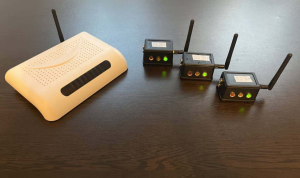
CavFinder SAAS is a cutting-edge software solution that leverages data analytics and machine learning algorithms to detect cavitation in pumps and pipes effectively. By providing early warnings and actionable insights, CavFinder SAAS empowers maintenance teams to take proactive measures and prevent costly breakdowns.
How CavFinder SAAS Ensures Proactive Maintenance
-
Continuous monitoring of pump and pipe conditions
-
Automated alerts for potential cavitation issues
-
Data-driven recommendations for maintenance tasks
Remember that without proper detection tools and monitoring systems, the risks associated with cavitation in pump and pipe systems can lead to significant downtime and costly repairs. It is crucial to stay ahead of potential cavitation issues with advanced detection technologies like CavFinder SAAS to ensure smooth operations and prolonged equipment lifespan.
Tips for Implementing Cavitation Detection Technologies
Effective implementation of cavitation detection technologies for pumps and pipes requires a strategic approach that integrates these tools seamlessly into existing maintenance processes. By following best practices and leveraging available resources, organizations can maximize the benefits of these advanced technologies.
Best Practices for Integration
-
Conduct a thorough assessment of current maintenance protocols and identify areas where cavitation detection technologies can add value.
-
Train maintenance teams on how to use the detection tools effectively and interpret the data provided.
-
Establish regular maintenance schedules that include proactive monitoring for cavitation issues.
Training and Resources
-
Provide comprehensive training sessions for maintenance staff on the importance of cavitation detection and how to utilize the detection technologies.
-
Offer access to online resources and documentation to support continuous learning and troubleshooting.
-
Collaborate with technology providers for on-site training and support when implementing new detection tools.
When organizations invest time and resources in effectively implementing cavitation detection technologies, they are better equipped to prevent costly damages and downtime associated with cavitation in pumps and pipes. By staying proactive and informed, maintenance teams can ensure the long-term operational efficiency and reliability of their equipment.
External Link: GE Power & Water – Pump Cavitation Detection Technology
Future Trends in Cavitation Detection Technology
As technology continues to advance, the field of cavitation detection for pumps and pipes is also evolving to meet new challenges and demands. Keeping abreast of future trends in cavitation detection technologies can help organizations stay ahead of potential issues and ensure the longevity of their equipment.
Innovations on the Horizon
-
Integration of Internet of Things (IoT) capabilities for remote monitoring and real-time data analysis.
-
Development of advanced sensors with enhanced sensitivity for detecting cavitation at earlier stages.
-
Implementation of Artificial Intelligence (AI) algorithms for predictive maintenance and anomaly detection.
Addressing New Challenges
-
Managing cavitation in high-pressure systems through specialized detection technologies.
-
Enhancing compatibility and integration with existing maintenance management systems for seamless operations.
-
Improving user interfaces and data visualization tools for better accessibility and understanding of cavitation data.
Looking towards the future, the continual innovation and enhancement of cavitation detection technologies will undoubtedly revolutionize the way pumps and pipes are maintained. By embracing these advancements and incorporating them into their maintenance strategies, organizations can proactively mitigate the risks associated with cavitation and optimize the performance of their systems.
External Link: Siemens – Pump Cavitation Monitoring Technology
Conclusion: Ensuring Long-Term Pump and Pipe Maintenance
In conclusion, the utilization of effective cavitation detection technologies for pumps and pipes is paramount to maintaining optimal system performance and minimizing costly downtime. By embracing advanced detection tools like CavFinder SAAS, organizations can proactively identify cavitation issues and take timely corrective actions to prevent equipment damage.
Key Takeaways
-
Early detection of cavitation through advanced technologies is crucial for preventing equipment wear and failures.
-
Implementing proactive maintenance strategies with CavFinder SAAS can lead to significant cost savings in the long run.
-
Continuous monitoring and integration of detection tools into maintenance processes are essential for ensuring the longevity of pumps and pipes.
As organizations strive to enhance their maintenance practices and optimize operational efficiency, investing in innovative cavitation detection technologies remains a strategic imperative. By staying informed about the latest trends and advancements in this field, businesses can safeguard their assets, reduce maintenance costs, and sustain peak performance for their pump and pipe systems.
External Link: ABB – Pump Cavitation Monitoring Solutions
Benefits of Early Detection
Early detection of cavitation using advanced technologies provides several benefits for pump and pipe maintenance, ensuring smooth operations and cost-effectiveness.
Advantages of Early Detection:
-
Minimized Equipment Damage: Detecting cavitation early helps prevent excessive wear and tear on pump components, extending their lifespan.
-
Improved Energy Efficiency: Addressing cavitation promptly optimizes pump performance, leading to energy savings and operational efficiency.
-
Reduced Downtime: By identifying cavitation issues before they escalate, unplanned downtime can be minimized, saving time and resources.
Incorporating effective cavitation detection technologies into maintenance protocols is essential for reaping these benefits and maintaining the longevity of pumps and pipes.
External Link: Emerson – Pump Cavitation Solutions
Case Studies: Real-world Applications of CavFinder SAAS
Examining how CavFinder SAAS has been implemented in real-world scenarios provides insight into its effectiveness and impact on pump and pipe maintenance.
Success Stories
-
Company A: By integrating CavFinder SAAS into their maintenance practices, Company A reduced pump downtime by 30% and saved $50,000 annually in repair costs.
-
Company B: After adopting CavFinder SAAS, Company B experienced a 20% increase in pump efficiency and a 25% decrease in maintenance expenses.
-
Company C: Utilizing CavFinder SAAS led to a 40% reduction in cavitation-related failures for Company C, enhancing overall system reliability.
These case studies illustrate the tangible benefits that effective cavitation detection technologies like CavFinder SAAS can bring to organizations, demonstrating their value in ensuring smooth pump and pipe operations.
External Link: Schneider Electric – Pump Cavitation Detection Solutions
Key Features of Effective Detection Tools
Understanding the essential features of cavitation detection technologies is crucial for selecting the right tools to ensure the optimal maintenance of pumps and pipes.
Features to Look for:
-
Real-time Monitoring: Advanced detection tools offer continuous monitoring capabilities to track cavitation occurrences promptly.
-
Data Analytics: Effective technologies provide data analytics for predictive maintenance, enabling proactive decision-making.
-
Integration Capabilities: The seamless integration of detection tools with maintenance management systems streamlines operations and enhances efficiency.
By prioritizing these key features when evaluating cavitation detection technologies, organizations can enhance their maintenance practices and prolong the lifespan of their pump and pipe systems.
External Link: Honeywell – Pump Cavitation Detection Solutions
FAQ Section:
How do effective cavitation detection technologies benefit pump and pipe maintenance?
Effective cavitation detection technologies provide early warnings of cavitation issues in pumps and pipes, allowing maintenance teams to address problems before they escalate. This proactive approach helps minimize equipment damage, optimize performance, and reduce operational costs.
What are some common signs of cavitation in pumps and pipes?
Common signs of cavitation include unusual noise, vibration, and reduced flow rates in pumps. In pipes, cavitation may be indicated by pitting or erosion on the inner surface. Monitoring for these signs and implementing detection technologies can help prevent cavitation-related damage.
Can cavitation detection technologies be integrated with existing maintenance management systems?
Yes, many cavitation detection technologies offer integration capabilities with existing maintenance management systems. This seamless integration allows for streamlined data sharing, analysis, and reporting, enhancing overall maintenance efficiency.
Are cavitation detection technologies suitable for both small and large-scale pump and pipe systems?
Yes, cavitation detection technologies can be adapted to suit the needs of both small-scale and large-scale pump and pipe systems. From individual pump units to extensive pipeline networks, these technologies offer scalable solutions for effective cavitation monitoring.
How can organizations ensure successful implementation of cavitation detection technologies?
Successful implementation of cavitation detection technologies requires thorough training for maintenance staff, regular monitoring and calibration of detection tools, and collaboration with technology providers for ongoing support and optimization. By following best practices and investing in training, organizations can maximize the benefits of these technologies.