
Why Cavitation Detection Should Be a Priority: The Importance of Early Detection and Prevention
Introduction
Cavitation is a phenomenon that occurs when bubbles are formed in a liquid flowing through a pump or a pipe. These bubbles can cause significant damage to equipment, leading to costly repairs and downtime. Cavitation is a common problem in industrial facilities, particularly in the oil and gas industry and power plants. Early detection and prevention of cavitation are crucial for maintaining equipment performance and reducing maintenance and downtime costs. In this article, we will explore why cavitation detection should be a priority and the importance of early detection and prevention. To prevent cavitation, operators should monitor the system for any changes in pressure or flow as well as look for bubbles or other signs of cavitation. Regular maintenance should also be done to ensure the system is operating correctly and to identify any potential problems before they become serious. Additionally, installing cavitation detectors can help to identify cavitation early and enable operators to take corrective action before any damage occurs. If necessary, operators should adjust the system parameters to reduce the risk of cavitation. An appropriate lubricant should also be used to reduce friction in the system and any other sources of vibration. Finally, the system should be inspected regularly to ensure it is in good working condition. Inspections should include checking the system components and lubricant levels. Any repairs or replacements should be done as soon as possible. Regular maintenance should also be performed to ensure the system is running properly. Proper lubrication is essential for reducing friction and vibration, especially in high-speed systems. If the lubricant wears down too quickly, it can cause excessive heat, leading to potential damage to the system. Regular inspections and maintenance will help to identify problems before they become serious and help to reduce the risk of unexpected breakdowns. Regular maintenance is important for the safety and efficiency of the system. It should be done on a regular basis to ensure optimal performance. Regular checks and maintenance should be done to identify and address any potential issues early on.
Cavitation is defined as:
Cavitation is a process in which bubbles are formed in a liquid flowing through a pump or pipe. These bubbles are created in areas of low pressure and can cause significant damage to equipment over time. Cavitation can also decrease efficiency and increased energy consumption. To reduce the damage caused by cavitation, it is important to design pumps and pipes to minimize low-pressure areas and keep the flow rate and pressure at an optimum level. Additionally, using lubricants can help reduce the risk of cavitation. Regular maintenance of the equipment is also recommended to reduce the impact of cavitation. Special attention should be paid to the areas where cavitation is most likely to occur. Additionally, using anti-cavitation devices can help to further reduce the risk of cavitation. Where possible, cavitation-prone areas should be redesigned to reduce the risk of cavitation. Additionally, the use of acoustic devices can be used to detect cavitation and alert operators to take corrective action. Lastly, operators should be trained to identify and address cavitation issues quickly and efficiently.
Cavitation: The Consequences of Ignoring It
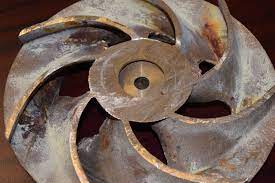
Ignoring cavitation can have severe consequences for industrial facilities. Cavitation can cause erosion, corrosion, and damage to the impeller, which can lead to costly repairs and downtime. In addition, cavitation can decrease equipment efficiency and increase energy consumption, resulting in higher operating costs. To avoid these issues, operators should take preventative measures to reduce the risk of cavitation. Regular inspections of the pumps and other equipment should be carried out to ensure that there is no cavitation present, and any detected problems should be addressed quickly. This can be done by replacing any worn parts and maintaining the operating system. Additionally, operators should also ensure that the system is running within the parameters recommended by the manufacturer. This will help to prevent any damage to the system caused by cavitation, as well as any disruptions to the operating system that can be caused by it. Additionally, regular maintenance can minimize the chance of any problems arising due to cavitation, allowing the system to run smoothly and efficiently. For example, regular cleaning of filters and cooling systems can contribute to preventing cavitation from occurring. In addition, it can help to prevent the build-up of dirt and debris that can disrupt the system. Cleaning the filters and cooling systems keeps the system running at optimal performance and avoids blockages that can cause cavitation. Additionally, regular maintenance can enable you to identify any issues with the system before they become serious. This allows for quick and effective repairs that minimize damage caused by cavitation. By taking the proper preventative measures, it is possible to avoid the costly damages associated with cavitation and ensure the system remains running at its most efficient.
Early detection is crucial
The early detection of cavitation can reduce maintenance and downtime costs and prevent equipment damage. By detecting cavitation early, facility managers and operators can take proactive measures to prevent damage and optimize equipment performance. This can be achieved by monitoring the vibration of the equipment and taking corrective action when significant changes are detected. Regular maintenance is still important, but early detection can help to minimise costly repairs and downtime. Additionally, the early detection of cavitation can help to identify the root cause of the issue and allow for timely, effective solutions to be implemented. This can ultimately help to extend the lifespan of the equipment and ensure it remains in optimal condition.
What Cavitation Detection Is and How It Works
Detecting cavitation requires sensors, machine learning algorithms, and related data to be collected and analyzed related to equipment performance. In order for cavitation detection to be effective, sensors must be placed in strategic locations within a system to measure vibration, temperature, and pressure. These sensors are then connected to a machine learning algorithm that can recognize the characteristics of cavitation and detect when it is occurring. The data collected from the sensors and analyzed by the algorithm can then be used to identify potential issues and ensure equipment is operating efficiently. This data can also be used to predict potential cavitation problems before they occur and make adjustments to equipment settings to minimize the risk of damage. This can help to reduce equipment maintenance costs and improve the overall efficiency of the system. This, in turn, can help to increase the longevity of the system and reduce downtime, resulting in improved productivity and profitability. This data can be analyzed by cavitation detection systems in order to detect early signs of cavitation and alert facility managers and operators in real time.


Detection systems for cavitation
There are several types of cavitation detection systems available, including acoustic sensors, vibration sensors, and pressure sensors. Each type of sensor has its own strengths and weaknesses, and the choice of the sensor depends on the specific needs of the facility. Acoustic sensors are the most cost-effective option, but they are not as precise as the other types of sensors. Vibration sensors are more accurate, but they are more expensive. Pressure sensors are the most accurate, but also the most expensive. Thermal sensors are the least expensive option, but they are not as accurate as the other types of sensors. Ultimately, the best sensor for a given application depends on the desired accuracy and cost. The choice of sensor should be carefully considered before making a purchase. It is important to consider the accuracy, cost, and other factors when selecting the right sensor for the job. Ultimately, the decision should be based on the specific requirements of the application. It is important to weigh all of the factors before making a purchase in order to make sure the right sensor is chosen for the job.
Cavitation detection benefits
Cavitation detection offers several benefits for industrial facilities, including improved equipment performance, reduced downtime and maintenance costs, and increased energy efficiency. By detecting cavitation early, facility managers and operators can prevent damage and optimize equipment performance. This helps maximize the lifespan of equipment, reduce the need for costly repairs or replacements, and increase overall efficiency and profitability. Additionally, detecting cavitation early can reduce safety risks associated with the failure of equipment due to cavitation damage. It also helps ensure that equipment is operating within its design limits and can help prevent catastrophic failures. Regular maintenance and proper monitoring can prevent cavitation-related issues and extend equipment lifespan. Additionally, regular inspections can help identify issues before they become more serious and costly. Cavitation can cause erosion of equipment parts, such as valves and pumps, and can even lead to equipment failure. Early detection of cavitation can help identify potential issues before they become more serious and can help save money on costly repairs and replacements. Regular maintenance and monitoring are essential for keeping equipment running smoothly and efficiently. Taking preventive measures, such as performing regular inspections, can help avoid costly damage and repairs. Taking the time to inspect equipment regularly can save money in the long run. Cavitation can cause significant damage to equipment, such as impellers and pumps, that can be expensive to repair or replace. By detecting cavitation early, it can be addressed before the damage becomes more severe. Regular inspections can ensure that the equipment is running optimally and identify any issues before they become too costly to repair.
Cavitation Prevention Measures
Preventative measures for cavitation include regular maintenance, proper installation and alignment, and cavitation-resistant materials. By implementing these measures, facility managers and operators can reduce cavitation risk and prevent equipment damage. If damage still occurs, then cavitation can be repaired by replacing damaged parts and resurfacing surfaces. The best way to prevent cavitation is to ensure that pumps are operating properly and within their design parameters. Regular testing and monitoring of pumps are important to identify and address cavitation issues early on. This helps to reduce the cost and time needed to repair the issue. Lastly, it’s important to ensure that the pump is correctly sized for the application. Properly designed and installed pumps can help reduce the risk of cavitation damage. Regular maintenance and inspections can also help prolong the life of the pump and reduce the chances of cavitation occurring. Regular monitoring of the pump’s performance is essential to identify the need for adjustments or repairs to the pump. Additionally, if any changes are made to the system, it is important to re-evaluate the pump size to ensure that cavitation is avoided. If the pump is not able to handle the system requirements, then it is important to replace it with a larger pump. This will help to ensure that cavitation does not occur and that the pump operates efficiently. Cavitation can cause significant damage to the pump and reduce its lifespan. It is therefore important to regularly monitor the pump and make any necessary adjustments to ensure that it is running optimally and not prone to cavitation.
conclusion
Priority should be given to cavitation detection in industrial facilities, particularly in the oil and gas industry. Preventing and detecting cavitation early can reduce equipment downtime and maintenance costs, as well as increase energy efficiency. Cavitation detection systems and preventative measures can help facility operators and managers ensure the long-term maintenance of their equipment. This will also help to increase the safety of personnel working in the facility, as well as improve the overall efficiency of the facility. Additionally, investing in cavitation detection systems can be a cost-effective way to reduce the risk of costly repairs in the future.
FAQs
Cavitation detection offers several benefits, including improved equipment performance, reduced downtime and maintenance costs, and increased energy efficiency.
Cavitation can cause erosion, corrosion, and damage to the impeller, which can lead to decreased equipment efficiency and increased energy consumption.
Preventative measures for cavitation include regular maintenance, proper installation and alignment, the use of cavitation-resistant materials, ensuring the correct temperature and pressure of the fluid being pumped, and monitoring the equipment’s performance regularly.
Ignoring cavitation can lead to costly repairs and downtime, decreased equipment efficiency, and increased energy consumption.
By reducing the risk of equipment damage and downtime, cavitation detection and prevention can help reduce the environmental impact of industrial facilities. This is done by minimizing waste and reducing energy consumption.