

Photo Pump cavitation
Cavitaion

Preventing Cavitations in Pump Systems

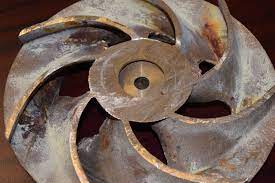
Cavitation in pump systems occurs when the pressure of the liquid being pumped drops below its vapor pressure, causing the formation of vapor bubbles. These bubbles then collapse as they move to a higher pressure area, creating shock waves and causing damage to the pump components. This phenomenon can occur in any type of pump, including centrifugal, positive displacement, and
Read More »
Photo Control valve
Cavitaion

Preventing Cavitation in Control Valves: Effective Solutions

Cavitation and flashing are two common phenomena that occur in control valves and pumps, which can have detrimental effects on the equipment and the overall system. Cavitation is the formation and collapse of vapor bubbles in a liquid flow, typically caused by a rapid decrease in pressure. This can lead to erosion, noise, and vibration within the system. On the

Read More »
Photo Broken pump
Cavitaion

The Impact of Pump Damage on Industrial Operations

Pump damage can occur due to a variety of reasons, including cavitation, flashing, corrosion, erosion, and mechanical issues. Cavitation is the formation and collapse of vapor bubbles in a liquid, which can cause damage to the pump impeller and other components. Flashing, on the other hand, occurs when a liquid undergoes a rapid phase change, leading to pressure fluctuations and

Read More »
Photo Marine propeller
Cavitaion

Preventing Cavitation: Essential Tips for Equipment Maintenance

Cavitation is a phenomenon that occurs in fluid dynamics when the local static pressure of a liquid drops below its vapor pressure, causing the formation of vapor bubbles. These vapor bubbles then collapse or implode when they move to a higher pressure region, creating shock waves and causing damage to the surrounding surfaces. In industrial equipment such as pumps, control

Read More »
Photo Propeller design
Cavitaion

Advanced Tech Prevents Cavitation Damage

Cavitation is a phenomenon that occurs in pumps and control valves when the pressure of a liquid drops below its vapor pressure, causing the formation and collapse of vapor bubbles. This process can lead to significant damage to the equipment and can result in decreased efficiency and increased maintenance costs. When the vapor bubbles collapse, they create shock waves that

Read More »
Photo Camera flash
Cavitaion

Flashing: The Dangers and Consequences

Flashing and cavitation are two common phenomena that occur in pumps and control valves, which can have detrimental effects on the performance and longevity of these systems. Flashing is the sudden vaporization of a liquid as it passes through a pressure drop, such as in a control valve or pump. This rapid phase change from liquid to vapor can cause

Read More »
Photo Water, bubbles
Cavitaion

Exploring the Phenomenon of Cavitation

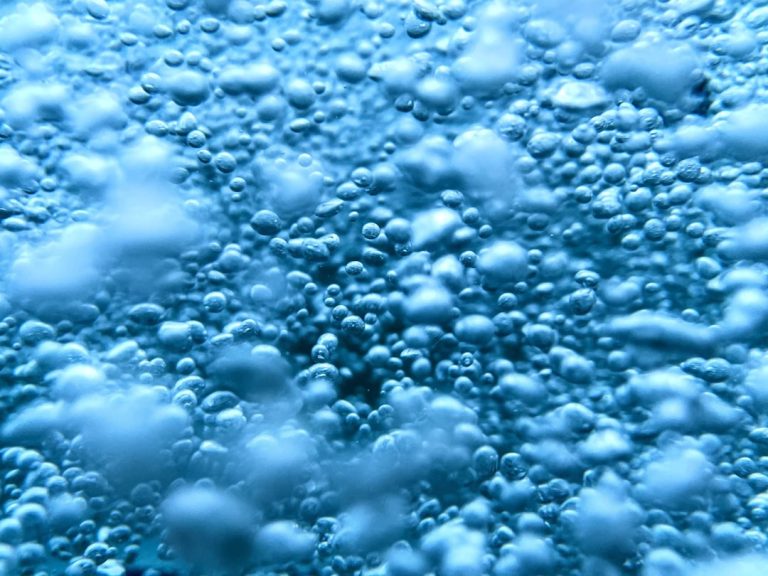
Cavitation is a phenomenon that occurs in fluid dynamics when the local static pressure of a liquid drops below its vapor pressure, causing the formation of vapor bubbles within the liquid. These vapor bubbles then collapse or implode when they move to a higher pressure region, creating intense shock waves and high-velocity microjets. This process can cause significant damage to

Read More »
Cavitation Detection
Cavitaion

Cavitation Detection: A Priority: Importance of Early Detection

Why Cavitation Detection Should Be a Priority: The Importance of Early Detection and Prevention Introduction Cavitation is a phenomenon that occurs when bubbles are formed in a liquid flowing through a pump or a pipe. These bubbles can cause significant damage to equipment, leading to costly repairs and downtime. Cavitation is a common problem in industrial facilities, particularly in the

Read More »
Cavitaion

Detecting cavitation using AI and machine learning

Using AI and Machine Learning to Detect Cavitation in Industrial Facilities: Advances in Predictive Maintenance Introduction It is common for industrial facilities, especially oil and gas refineries and power plants, to experience cavitation. Cavitation is the formation and collapse of bubbles in fluids due to changes in pressure. It can cause noise, vibration, and mechanical damage to piping and equipment.

Read More »
Why Pumps and Pipes Cavitate: Understanding the Root Causes and Preventing It
Cavitaion

How can cavitation in pumps and pipes be prevented?

Why Pumps and Pipes Cavitate: Understanding the Root Causes and Preventing It Cavitation is a process that occurs when a pump or pipe operates at a pressure lower than the vapour pressure of the liquid it is pumping. This causes the formation of vapour-filled cavities, which can damage the pump or pipe. Understanding the root causes of cavitation and taking

Read More »